
Integrations
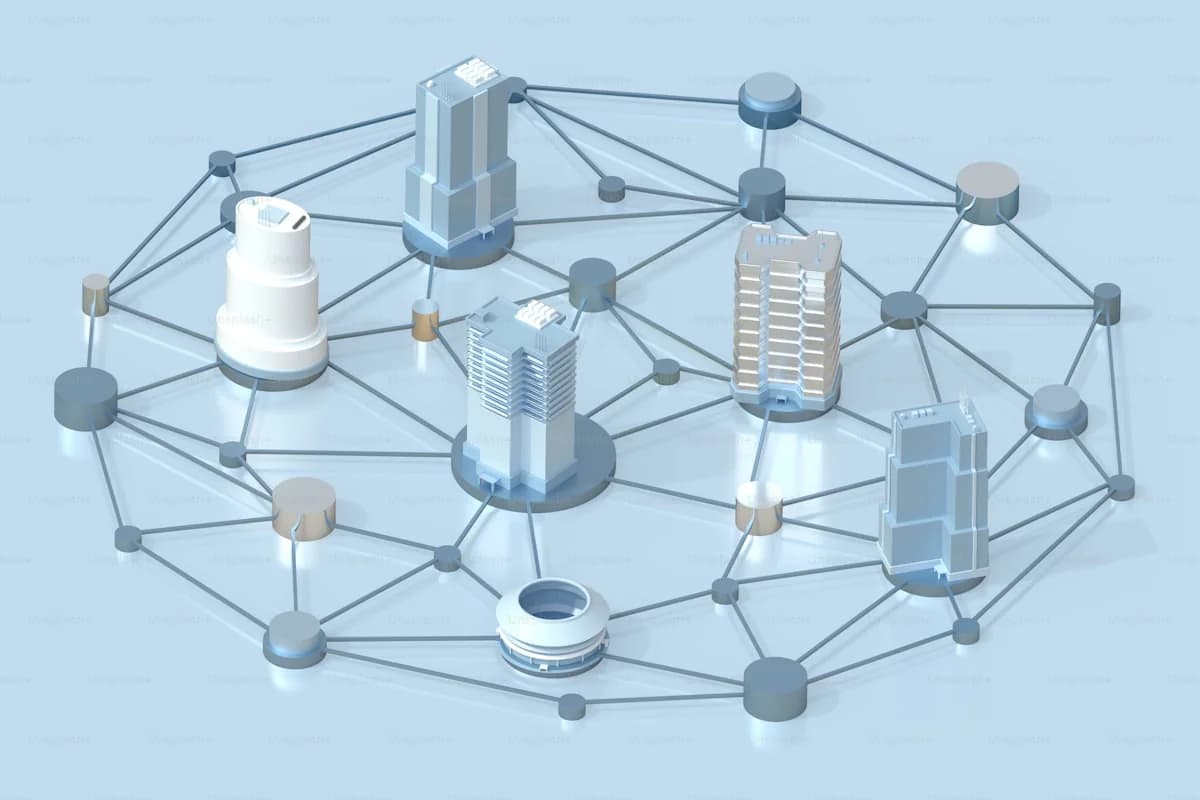
Integration work connects the systems a business already runs so that data moves between them automatically, with one agreed source of truth, defined error handling, and monitoring when something fails.
Context
Most businesses do not have a tooling problem, they have a connection problem. Each system works; nothing talks. People become the integration layer.
Architecture
Systems connected by people versus by integration
Before: three systems, each bridged by a person moving data across by hand. After: the same three connected directly through an integration layer, with one declared source of truth per record.
Choices
Every choice below has a reason attached. A stack without reasons is a logo wall.
The questions we work through before recommending anything in this area.
Recommending something everywhere is the same as having no opinion.
Where we apply it
Integrate first in most cases. Replacement is disruptive and expensive, and a well-connected set of adequate tools usually outperforms a single system nobody has fully adopted. Replace when the underlying system genuinely cannot do the job.
Integration work connects the systems a business already runs so that data moves between them automatically, with one agreed source of truth, defined error handling, and monitoring when something fails.
Most businesses do not have a tooling problem, they have a connection problem. Each system works; nothing talks. People become the integration layer.
Integrating a system you are about to replace; Connecting processes nobody owns: automating an undefined process makes the confusion faster, not smaller; and Real-time sync where a scheduled update would do, at a fraction of the complexity
Which system owns this record?; What happens when the integration fails at 2am?; and Is the volume high enough to justify the build?
Where volume, reliability or complex logic justify it. More work upfront, far less fragile over time.
Straightforward data movement with a few conditions is faster to build and easier for a non-developer to adjust later.
Systems react to change rather than polling on a timer, which keeps data current without unnecessary load.
Connected
Bring the existing system and the constraints around it. We will tell you where this fits, where it would be the wrong tool, and what we would leave exactly as it is.